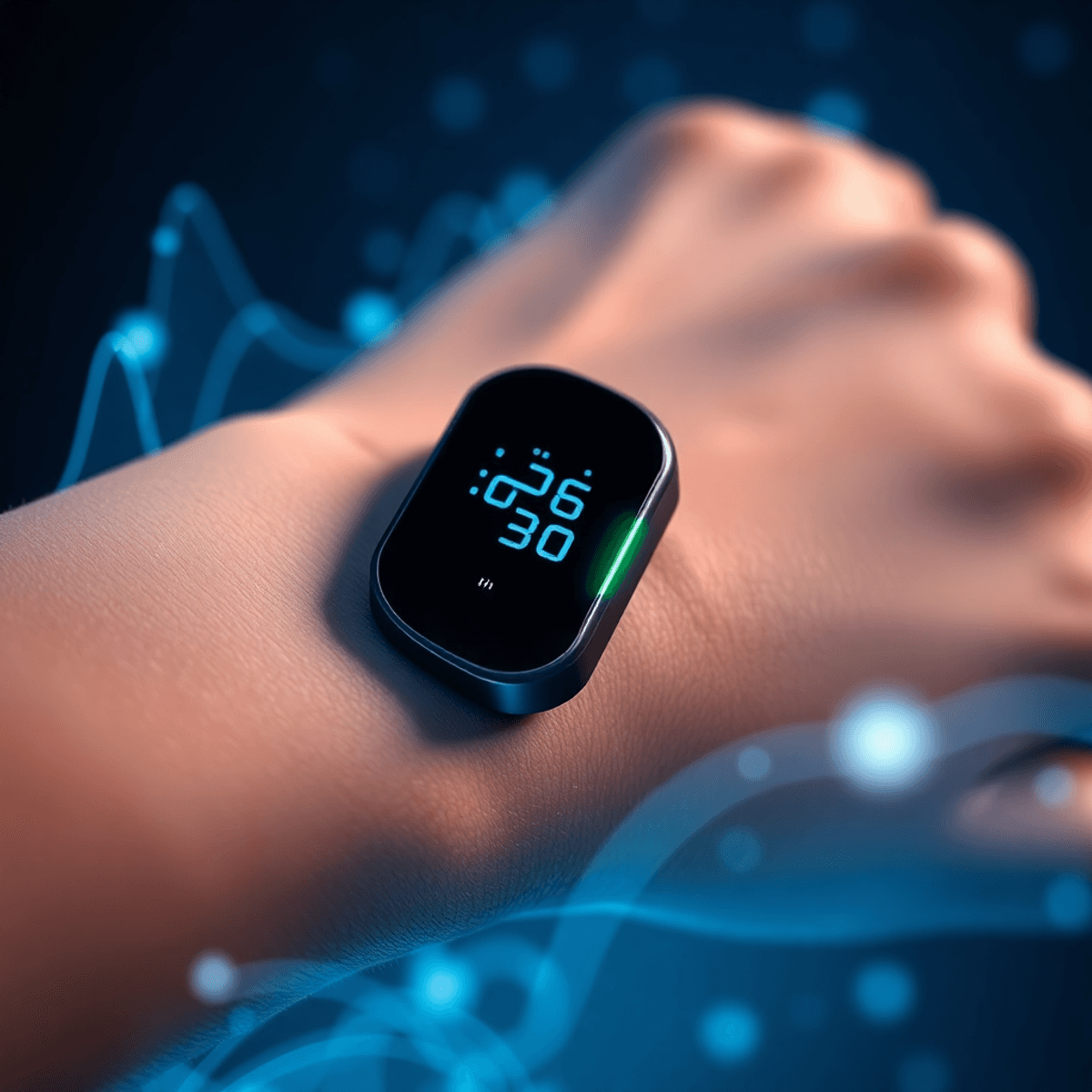
Glucose monitoring is a crucial part of managing diabetes effectively. This guide, The Complete Guide to Glucose Monitoring, goes deep into the world of glucose monitoring technologies, with a special emphasis on the advancements in continuous glucose monitoring (CGM) expected by 2026. It covers everything from the history and current practices to the future developments of glucose monitoring that are vital for improving diabetes care.
What You Will Learn
In this guide, you'll discover:
- Why glucose monitoring is essential for preventing complications in diabetes.
- How we moved from basic self-monitoring techniques to advanced CGM systems.
- The significance of real-time data in making treatment choices.
- The upcoming trends that will shape the future of glucose monitoring technology.
The importance of glucose monitoring lies in its ability to provide timely information about blood sugar fluctuations. This empowers individuals and healthcare providers to make informed decisions that reduce risks associated with hyperglycemia and hypoglycemia. Over the years, innovations have transformed glucose monitoring from intermittent fingerstick testing to continuous, dynamic measurement platforms that enhance precision and usability.
What You Can Expect
Here are some key topics that will be covered in this guide:
- The differences between continuous glucose monitoring and traditional methods.
- The improvements in accuracy and user experience expected by 2026.
- The clinical guidelines recommending early integration of CGM in diabetes management.
- Practical tips for maximizing the benefits of CGM in daily life.
This guide is an invaluable resource for patients, caregivers, and healthcare professionals who want to make the most of glucose monitoring technologies in today's diabetes care.
Understanding Glucose Monitoring
Basics of Blood Glucose and Its Role in Diabetes Management
- Blood glucose levels represent the concentration of glucose present in the bloodstream.
- Glucose serves as the primary energy source for the body’s cells, derived mainly from dietary carbohydrates.
- The hormone insulin regulates blood glucose by facilitating cellular uptake and maintaining balance.
- In diabetes, impaired insulin production or action disrupts glucose regulation, causing elevated or erratic blood glucose levels.
- Maintaining glycemic control is essential to prevent acute complications (e.g., hypoglycemia, hyperglycemia) and long-term damage to organs such as kidneys, nerves, eyes, and cardiovascular system.
- Regular monitoring of blood glucose levels helps patients and healthcare providers make informed decisions regarding medication adjustments, diet, exercise, and lifestyle.
Traditional Self-Monitoring Blood Glucose (SMBG) Methods
SMBG primarily involves fingerstick testing, where a small drop of capillary blood is obtained using a lancet device. Blood is applied to a test strip inserted into a glucometer, which provides a numerical reading of current blood glucose concentration (mg/dL or mmol/L).
SMBG allows:
- Spot checks at specific times (fasting, pre/post meals, bedtime).
- Data for daily glycemic pattern assessment.
- Immediate feedback on effects of food intake, physical activity, and medications.
Limitations of SMBG
- Requires multiple finger pricks daily; can cause discomfort and reduce adherence.
- Provides only discrete snapshots rather than continuous glucose trends.
- Misses nocturnal hypoglycemia or rapid fluctuations between measurements.
- Relies on patient technique accuracy (proper hand washing, adequate sample size).
- Data collection may be incomplete or inconsistent due to inconvenience.
Introduction to Continuous Glucose Monitoring (CGM)
CGM systems measure interstitial fluid glucose concentration through a sensor inserted just under the skin. Sensors sample glucose continuously throughout the day and night (typically every 1–5 minutes). Data are transmitted wirelessly to a receiver or smartphone app for real-time display.
Differences Between CGM and SMBG
Feature | SMBG | CGM |
Sampling Frequency | Intermittent (few times/day) | Continuous (every few minutes) |
Data Type | Single point-in-time readings | Dynamic glucose trends |
User Interaction | Manual fingerstick required | Automated sensor data collection |
Hypo-/Hyperglycemia Alerts | No alerts; user dependent | Real-time notifications available |
Insight into Variability | Limited | Detailed patterns including nocturnal changes |
CGM enhances glycemic control by providing comprehensive information on glucose trends and variability. This allows earlier detection of hypo/hyperglycemic episodes and more precise therapy adjustments.
Advances in Continuous Glucose Monitoring Technologies by 2026
Continuous glucose monitoring advancements have significantly transformed diabetes care, addressing many limitations of earlier devices. Early CGM systems required frequent user calibration with fingerstick blood glucose readings to maintain accuracy. This process was burdensome and often led to inconsistent results due to user error or timing discrepancies.
Historical Challenges with Early CGM Devices
- Calibration Requirements: Early sensors needed multiple daily calibrations, increasing patient effort and reducing convenience.
- Sensor Accuracy: Initial devices demonstrated considerable variation in glucose readings, limiting clinical trust and usability.
- Data Latency: Delays between interstitial fluid glucose levels and blood glucose sometimes caused inaccurate real-time alerts.
- Sensor Lifespan: Short wear times (typically 3–7 days) increased device replacement frequency and overall costs.
These challenges restricted widespread adoption despite the potential benefits of continuous glucose data.
Modern CGM Improvements
The introduction of factory calibrated sensors marked a pivotal development in CGM technology. These sensors arrive pre-calibrated from the manufacturer, eliminating the need for user-performed fingerstick calibrations. This improvement enhances ease of use and consistency across users.
Key metrics demonstrate progress in CGM accuracy:
- The Mean Absolute Relative Difference (MARD), is the standard performance measure reflecting average deviation between CGM readings and reference blood glucose values.
- State-of-the-art sensors achieve a MARD below 9%, indicating high precision comparable to traditional fingerstick meters.
Additional enhancements include:
- Extended Sensor Wear Time: Modern sensors can function reliably for 10 to 14 days, reducing device changes and improving patient adherence.
- Improved Sensor Materials: Advances in biocompatibility reduce skin irritation and sensor signal interference.
- Wireless Connectivity: Bluetooth integration allows seamless transmission of glucose data to smartphones and insulin pumps.
- Automated Insulin Delivery Compatibility: Enhanced accuracy supports closed-loop systems that adjust insulin dosing dynamically based on real-time glucose levels.
These continuous glucose monitoring advancements support more precise glycemic management, reduce user burden, and facilitate integration into comprehensive diabetes treatment plans.
The evolution from early-generation devices to factory calibrated, highly accurate CGMs represents a critical leap forward in diabetes technology. This progress sets the foundation for expanded clinical recommendations and improved patient outcomes discussed in subsequent sections. Moreover, recent studies suggest that these advancements may also play a significant role in preventing complications associated with diabetes, further underscoring their importance in modern healthcare.
Types of Continuous Glucose Monitoring Systems
Continuous glucose monitoring (CGM) technologies have diversified to meet varying clinical needs and user preferences. Understanding the distinctions among real-time CGM (rtCGM), intermittently scanned CGM (isCGM), and professional CGM devices is essential for selecting the appropriate system within The Complete Guide to Glucose Monitoring framework.
Real-Time CGM (rtCGM)
Functionality
- Provides continuous, automatic glucose readings throughout the day and night.
- Sends data wirelessly to a receiver, smartphone, or insulin pump.
- Displays current glucose levels with trend arrows indicating direction and rate of change.
Benefits
- Immediate alerts for hypoglycemia (low blood sugar) and hyperglycemia (high blood sugar).
- Enables proactive management by notifying users before critical thresholds are reached.
- Supports integration with automated insulin delivery systems for dynamic dosing adjustments.
Usage Profile
- Favored by individuals requiring intensive glucose monitoring, including type 1 diabetes patients.
- Useful during activities with variable glucose impact such as exercise or meals.
- Facilitates improved Time in Range (TIR) through timely interventions.
Intermittently Scanned CGM (isCGM)
Functionality
- Requires user-initiated scanning of a sensor worn on the skin to obtain glucose readings.
- Does not provide continuous automatic alerts; data is accessed on demand.
Differences from rtCGM
- No real-time alerts limit immediate warning of hypo/hyperglycemia risks.
- Often simpler in design with longer sensor wear times and lower cost compared to rtCGM.
Usage Patterns
- Suited for users who prefer less intrusive monitoring and do not require constant alerts.
- Allows retrospective analysis of glucose trends when scans are performed regularly.
- May serve as an introduction to CGM technology for newly diagnosed patients or those with less intensive insulin regimens.
Professional CGM Devices
- Designed primarily for healthcare providers to use during clinical visits or short-term monitoring periods.
- Data collected is reviewed retrospectively by clinicians to adjust treatment plans or assess glycemic patterns.
- Typically blinded to patients during wear time, minimizing behavioral changes that could skew readings.
Each CGM type offers unique advantages dictated by patient needs, lifestyle, and clinical goals. Familiarity with these systems supports informed decision-making in diabetes management strategies.
Clinical Guidelines and Recommendations for CGM Use in 2026
The American Diabetes Association (ADA) guidelines have evolved significantly to reflect advances in continuous glucose monitoring (CGM) technology and its impact on diabetes management. Key recommendations emphasize early initiation and widespread adoption of CGM for insulin-treated individuals.
ADA 2026 Standards Highlights
1. Early Initiation Post-Diagnosis
- CGM use is recommended promptly after diagnosis for all patients requiring insulin therapy.
- Applies regardless of diabetes type—both type 1 and type 2 diabetes patients benefit.
- No minimum A1c threshold required to begin CGM, reinforcing the approach to proactive glucose management rather than reactive.
2. Universal Insulin User Inclusion
- All insulin users should have access to CGM technology as a standard of care.
- This approach supports personalized glucose control, reducing risks associated with hypoglycemia and hyperglycemia.
- ADA encourages clinicians and patients to focus on TIR along with traditional HbA1c measurements.
- CGM-derived metrics provide nuanced insights into daily glycemic variability, guiding tailored treatment adjustments.
4. Integration with Automated Insulin Delivery Systems
- Recommendations include leveraging CGM data coupled with automated or hybrid closed-loop insulin delivery systems when feasible.
- This integration enhances glycemic control and reduces patient burden by automating insulin dosing decisions based on real-time glucose trends.
Clinical Implementation Considerations
- Incorporate structured education programs for patients beginning CGM to optimize device usage and interpretation of data.
- Address potential barriers such as cost, insurance coverage, and technology literacy early in the treatment plan.
- Encourage regular review of CGM reports during clinical visits to adjust therapy dynamically according to patient-specific glucose patterns.
"The shift towards earlier and broader use of CGM reflects a paradigm change in diabetes care. It enables clinicians to intervene proactively and supports patients in achieving safer, more stable glycemic control."
— American Diabetes Association, Standards of Medical Care in Diabetes—2026
This guideline framework sets the foundation for integrating advanced glucose monitoring into routine diabetes management, maximizing clinical outcomes through data-driven decision-making.
Benefits of Continuous Glucose Monitoring in Diabetes Management
Continuous Glucose Monitoring (CGM) transforms diabetes management by providing comprehensive, real-time glucose data that enables precise glycemic control.
Improvement in Time in Range (TIR)
Definition and Importance
TIR refers to the percentage of time a person’s blood glucose remains within a target range, typically 70–180 mg/dL. Maintaining optimal TIR correlates strongly with reduced risks of long-term diabetes complications.
CGM Impact
- Provides continuous, dynamic glucose readings allowing users and clinicians to identify patterns and trends beyond isolated readings.
- Enables timely adjustments in insulin dosing, diet, and activity based on glucose excursions detected throughout the day.
- Facilitates personalized feedback through trend arrows and predictive alerts that assist in preventing highs and lows before they occur.
Clinical Evidence
- Studies report significant increases in TIR among CGM users compared to Self-Monitoring of Blood Glucose (SMBG) alone.
- In type 1 diabetes, improved TIR has been linked to better overall metabolic control and reduced microvascular complication risk.
Reduction of Hypoglycemic Episodes
Hypoglycemia Risks
Low blood glucose episodes can cause immediate dangers such as seizures, loss of consciousness, and long-term cognitive impairment if recurrent.
Role of CGM
- Real-time alerts warn users of impending hypoglycemia, enabling rapid corrective action.
- Nighttime hypoglycemia detection provides safety during periods when symptoms may go unnoticed.
- Trend data helps identify patterns leading to hypoglycemia, guiding preventive strategies including insulin regimen adjustments.
Evidence in Type 1 Diabetes
CGM use reduces frequency and duration of hypoglycemic events substantially compared to fingerstick testing. Pediatric populations benefit significantly from CGM’s ability to alert caregivers promptly.
Additional Advantages Related to CGM Usage
- Enhanced patient engagement through interactive data visualization improves adherence to therapy.
- Psychosocial benefits include reduced anxiety related to unpredictable glucose fluctuations.
- Supports tighter glycemic targets without increasing hypoglycemia risk due to more precise monitoring.
The integration of continuous data streams from CGM devices promotes safer and more effective diabetes management. This approach shifts care from reactive adjustments based on episodic measurements toward proactive glycemic optimization driven by detailed insights into individual glucose patterns.
Barriers to Widespread Adoption of Continuous Glucose Monitoring
Financial obstacles remain a primary challenge limiting access to continuous glucose monitoring (CGM) technologies for many individuals. High upfront costs and ongoing expenses associated with sensors, transmitters, and receivers create significant cost barriers. These devices typically require replacement every 10 to 14 days, compounding the financial burden over time.
Insurance reimbursement policies vary widely across regions and providers, often complicating affordability. Many insurance plans impose stringent criteria for CGM coverage, such as documented frequent hypoglycemia or intensive insulin therapy requirements. These restrictions exclude a substantial portion of potential users who could benefit from CGM but do not meet eligibility thresholds.
Key factors contributing to cost-related adoption challenges include:
- Initial device purchase price: Advanced CGM systems with factory calibration and Bluetooth connectivity can be expensive.
- Recurring sensor replacement fees: Regular sensor changes inflate long-term costs.
- Limited insurance coverage: Variability in payer policies leads to inconsistent access.
- High out-of-pocket expenses: Copayments and deductibles may deter consistent use.
- Lack of reimbursement for certain patient groups: Non-insulin-dependent diabetes patients often face coverage gaps.
Additional barriers intersect with financial issues:
- Digital literacy influences the ability to navigate device apps and data interpretation, affecting usage confidence. This aspect highlights a crucial element in the broader conversation about digital inclusion and health equity, which is essential for maximizing the benefits of CGM technology.
- Healthcare provider familiarity with CGM technology impacts prescribing practices and patient education. For instance, understanding the comprehensive guide to glucose monitoring could significantly enhance patient outcomes.
- Sociocultural factors may influence acceptance and sustained engagement.
Addressing cost barriers requires coordinated efforts involving policy advocacy for broader insurance inclusion, manufacturer pricing strategies that enhance affordability, and innovative payment models like value-based reimbursement. Patient assistance programs can also mitigate financial strain but are not universally accessible or well-known.
This section in The Complete Guide to Glucose Monitoring emphasizes that overcoming these economic hurdles is essential to expand CGM benefits beyond early adopters and specialized populations, moving toward equitable diabetes care.
Emerging Trends and Future Directions in Glucose Monitoring Technology
Artificial Intelligence Integration with CGM Data
Artificial intelligence (AI) integration represents a transformative development in glucose monitoring technology. Leveraging vast datasets collected from continuous glucose monitors, AI algorithms analyze glycemic patterns with precision beyond human capability. This integration enables predictive analytics that anticipate blood glucose fluctuations before they occur.
1. Predictive Glycemic Modeling
AI models use historical CGM data combined with patient-specific variables such as diet, activity level, and insulin dosing history to forecast future glucose trends. This forecasting helps identify periods of high risk for hyperglycemia or hypoglycemia, allowing proactive adjustments in therapy.
2. Risk Assessment for Complications
Advanced AI tools assess the likelihood of diabetes-related complications by detecting subtle glycemic variability and prolonged excursions outside target ranges. Early identification of patterns linked to microvascular or macrovascular damage supports timely intervention.
3. Personalized Treatment Recommendations
AI-driven platforms generate tailored recommendations on insulin dosing, meal planning, and physical activity based on continuous data input. This personalization enhances treatment adherence and optimizes metabolic control.
4. Integration with Automated Insulin Delivery Systems
The combination of AI with CGM facilitates closed-loop systems that automatically adjust insulin delivery in real time. Machine learning algorithms refine insulin algorithms by continuously learning from glucose responses, improving system responsiveness and safety.
Additional Innovations Shaping Future Glucose Monitoring
- Non-Invasive Glucose Sensing Technologies: Research into optical sensors, transdermal patches, and other non-invasive methods aims to eliminate the need for sensor insertions altogether. These technologies promise pain-free monitoring while maintaining accuracy comparable to current CGM devices.
- Enhanced Connectivity and Data Sharing: Future CGM devices will offer seamless integration with smartphones, wearable devices, and cloud platforms. Real-time sharing of data with healthcare providers fosters collaborative management and remote monitoring.
- Precision Medicine Approaches: Combining CGM data with genomic information and lifestyle factors enables stratification of patients into more precise therapeutic categories. This approach supports individualized treatment plans that target specific pathophysiological mechanisms.
AI integration marks a pivotal step toward smarter glucose monitoring systems that not only reflect current glucose status but also anticipate future needs. These advancements hold promise for reducing diabetes burden through improved glycemic control and complication prevention.
Practical Tips for Optimizing Use of Continuous Glucose Monitors
Effective use of continuous glucose monitors (CGMs) requires device education and strategic habits that enhance accuracy, comfort, and data interpretation. Follow these best practices to maximize CGM benefits:
1. Comprehensive Device Training
- Engage with healthcare providers for initial training sessions focusing on sensor insertion, transmitter pairing, and app navigation.
- Explore manufacturer resources, including user manuals, video tutorials, and customer support hotlines.
- Practice hands-on operation under supervision before independent use to build confidence.
2. Establish Routine Sensor Management
- Schedule sensor application and removal according to manufacturer guidelines (typically every 10–14 days).
- Prepare the insertion site by cleaning thoroughly to reduce infection risk and ensure sensor adhesion.
- Rotate insertion sites to prevent skin irritation or scarring.
- Monitor sensor adhesive integrity; reinforce with medical tape if necessary for extended wear.
3. Optimize Data Interpretation Skills
- Learn to recognize trends in glucose patterns rather than reacting solely to single readings.
- Use device alerts proactively by setting personalized thresholds for hypo- and hyperglycemia.
- Regularly review time-in-range (TIR), time-below-range (TBR), and glycemic variability metrics during consultations with care teams.
- Utilize smartphone apps or cloud platforms linked to your CGM for detailed reports and remote monitoring capabilities.
4. Minimize Alarm Fatigue
- Customize alert frequency and sound profiles based on lifestyle and tolerance.
- Disable non-critical notifications during activities such as sleep or exercise when safe.
- Combine CGM data with symptom awareness to avoid excessive reliance on alarms alone.
5. Maintain Sensor Accuracy
- Avoid calibration errors by adhering strictly to factory-calibrated devices’ instructions—most modern CGMs do not require fingerstick calibration.
- Be aware of factors affecting sensor performance such as certain medications, rapid temperature changes, or pressure on the sensor site.
- Report persistent discrepancies between CGM readings and blood glucose meter results to your healthcare provider.
6. Integrate CGM into Daily Diabetes Management
- Use real-time data to adjust insulin dosing in consultation with healthcare professionals.
- Incorporate meal timing, physical activity, stress levels, and illness into glucose management plans using CGM insights.
- Share data regularly with diabetes educators or endocrinologists for personalized treatment adjustments.
7. Engage Support Networks
- Participate in diabetes support groups or online forums dedicated to CGM users.
- Exchange tips on device handling, troubleshooting common issues, and emotional coping strategies related to continuous monitoring.
Mastering device education combined with disciplined sensor care and data utilization empowers users to benefit fully from continuous glucose monitoring technology. This foundation supports improved glycemic control, reduced complications risk, and enhanced quality of life in diabetes management.
Conclusion
Glucose monitoring technology continues to evolve, driving personalized diabetes care into new realms of precision and accessibility. Key takeaways from The Complete Guide to Glucose Monitoring highlight transformative changes shaping the future:
- Broader Accessibility
- Advances in device affordability, insurance coverage, and user-friendly designs are reducing barriers. More individuals with diabetes can leverage continuous glucose monitoring (CGM) as a standard part of their management plan.
- Precision Medicine Integration
- Combining CGM data with artificial intelligence and genomic insights enables highly tailored treatment strategies. Predictive analytics help anticipate glycemic trends and complications before they occur, empowering proactive interventions.
- Enhanced User Experience
- Seamless smartphone connectivity, automated insulin delivery systems, and smart alerts improve daily management and patient engagement. These innovations reduce burden while maximizing therapeutic impact.
- Clinical Practice Transformation
- Updated guidelines emphasize early CGM initiation across diabetes types, reflecting evidence that real-time glucose insights improve outcomes beyond traditional measures like HbA1c.
The pathway ahead for glucose monitoring embraces a holistic approach—merging cutting-edge technology with individualized care protocols. This synergy promises to elevate quality of life for millions living with diabetes worldwide. The sustained commitment to innovation, education, and equitable access ensures the potential of CGM will continue expanding well beyond 2026.
FAQs (Frequently Asked Questions)
What is the importance of glucose monitoring in diabetes management?
Glucose monitoring is essential in diabetes care as it helps individuals and healthcare providers track blood glucose levels, enabling effective glycemic control. Over the years, advancements in monitoring techniques have improved diabetes management and patient outcomes.
How does continuous glucose monitoring (CGM) differ from traditional self-monitoring blood glucose (SMBG)?
Unlike traditional SMBG which involves fingerstick testing at specific times, CGM provides real-time or intermittently scanned continuous data on glucose levels throughout the day and night. This allows for better detection of glycemic patterns and timely interventions.
What are the latest advancements in continuous glucose monitoring technology as of 2026?
Modern CGM devices have overcome early challenges by incorporating factory-calibrated sensors that eliminate the need for manual calibration. They achieve a mean absolute relative difference (MARD) below 9%, enhancing accuracy and reliability for users.
What types of continuous glucose monitoring systems are available?
There are three main types: real-time CGM (rtCGM) which provides continuous alerts for hypo- and hyperglycemia; intermittently scanned CGM (isCGM) which requires scanning to access data; and professional CGM devices used primarily by healthcare providers for diagnostic purposes.
What do clinical guidelines recommend regarding CGM use in 2026?
The American Diabetes Association (ADA) recommends initiating CGM early after diagnosis for all insulin users, regardless of diabetes type or A1c level, to improve glycemic control and reduce complications.
What are common barriers to widespread adoption of continuous glucose monitoring?
Financial obstacles such as high device costs and limited insurance reimbursement remain significant barriers to CGM accessibility, despite its proven benefits in improving time in range and reducing hypoglycemia episodes.

Comments
Post a Comment